
From Community Health Evidence to International Publication: EQUITY Inspires UNAND Researchers to Tackle Stunting
Padang, 09 October 2026
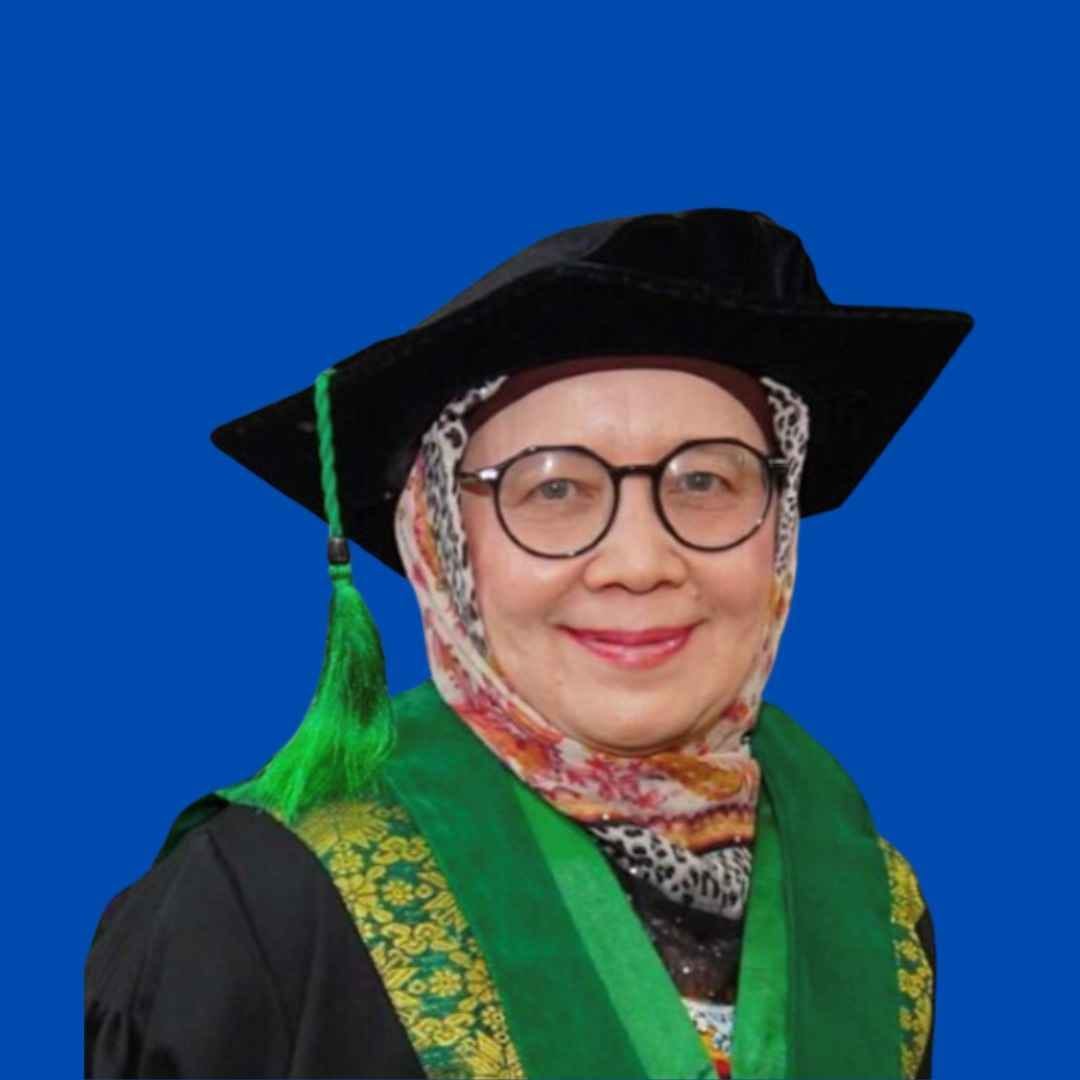
Prof. Nur Indrawaty
Lipoeto’s study connects nutrition, maternal knowledge, and early childhood
development, showing how carefully collected regional data can support broader
scientific and policy discussions.
PADANG — Research into childhood stunting in West
Sumatra has become an international scientific publication through work
supported by Universitas Andalas’ (UNAND) EQUITY Program. Led by Prof. dr. Nur
Indrawaty Lipoeto, M.Sc., Ph.D., Sp.GK(K), of the Faculty of Medicine, the
study demonstrates how evidence gathered in communities can contribute to
public health scholarship and stimulate further research.
The article, “The Relationship between Maternal Role
and Psychomotor and Mental Development among Stunted Children in West Sumatra,
Indonesia,” was published in the International Journal of Child Health and
Nutrition. It examines associations between maternal knowledge and caregiving
factors and developmental outcomes among young children identified as stunted.
The researchers screened 265 infants aged 6–12 months
in nine villages in West Sumatra and analyzed 89 stunted infants. The study
used a cross-sectional design, with mental and psychomotor development
evaluated through the Bayley Scales of Infant Development alongside maternal
interviews and direct observation.
Among the 89 infants studied, 30.3% experienced
delayed mental development and 38.2% experienced delayed psychomotor development.
Lower maternal nutritional knowledge was strongly associated with both
developmental outcomes. Lower maternal education was associated with delayed
mental development, while suboptimal caregiving practices were associated with
delayed psychomotor development.
The findings strengthen the case for investigating
more targeted nutrition education, parental support, and early-childhood
stimulation programs. As the study is cross-sectional, however, the observed
associations should not be presented as proof that any one factor causes
developmental delay. Follow-up cohort and intervention studies are needed to
test which approaches improve outcomes.
For lecturers, this achievement offers a valuable
model: a carefully framed question, an appropriate methodology, and
community-relevant evidence can produce work of international significance. The
subject also creates space for collaboration among nutrition, clinical
medicine, psychology, education, public policy, data science, and community
health researchers.
Vice Rector IV Prof. Henmaidi has emphasized the
importance of scholarship that contributes to international knowledge while
responding to local needs. EQUITY Chair Dr. Eng. Muhammad Makky, S.T.P., M.Si.,
has encouraged research that continues beyond publication into stronger
networks, policy-relevant evidence, and well-designed follow-up initiatives.
This is an invitation to lecturers at different stages
of their research careers. Faculty members with existing datasets,
collaborative fieldwork, or promising community observations can begin by
identifying the most consequential unanswered question, assembling a suitable
team, and planning a realistic set of scientific outputs. Not every project
must begin with a new laboratory technology; rigorous social and clinical
evidence can also have considerable value.
UNAND lecturers interested in the next EQUITY
opportunity are encouraged to prepare proposals in advance and follow official
announcements concerning themes, participation requirements, selection, and
deadlines. Prof. Nur Indrawaty’s team shows how research addressing urgent
needs in West Sumatra can become part of a wider international conversation—and
lead to the next generation of impactful studies.
This activity is funded by the Indonesian Endowment Fund for Education
(LPDP) on behalf of the Indonesian Ministry of Higher Education, Science and
Technology and managed under the EQUITY Program (Contract
No.4304/B3/DT.03.08/2025).