

Universitas Andalas Students Develop Biodegradable Plastic Innovation from Waste Materials to Reduce Plastic Pollution, Supporting SDG 12 and SDG 9
Padang, 03 September 2024
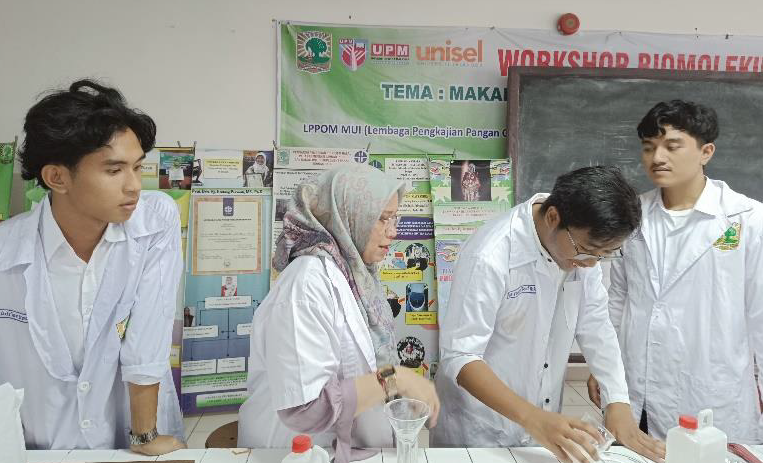
Padang, September 2024 — In
support of SDG 12 (Responsible Consumption and Production) and SDG 9 (Industry,
Innovation and Infrastructure), students of Universitas Andalas have developed
an innovative biodegradable plastic as a creative solution to the growing
challenge of plastic waste. This innovation represents a tangible contribution
toward environmentally friendly material production while strengthening
research-based innovation with potential for industrial downstreaming.
The biodegradable plastic is
designed to decompose significantly faster than conventional plastics, which
typically require a very long time to degrade in the environment. The
innovation utilizes waste-based raw materials, including by-products from
cheese processing and palm oil industries. This approach not only helps reduce
plastic pollution but also enhances the value of waste materials that have not
been optimally utilized.
In terms of quality, the
biodegradable plastic has met international standards, including the Japanese
Industrial Standards (JIS), particularly in parameters such as thickness, water
vapor transmission, and solubility. These results indicate that the product is
not only environmentally friendly but also possesses competitive quality,
making it a viable alternative to conventional plastics in the market.
Beyond environmental benefits,
this innovation also presents new economic opportunities. With locally
available raw materials and relatively efficient production processes,
biodegradable plastic development has the potential to stimulate the growth of
biomaterial-based industries. This aligns with efforts to strengthen
Indonesia’s innovation ecosystem and promote sustainable industrial
development.
However, further development is
still required, particularly in scaling up production and increasing market
adoption. Support from the government, industry, and the public will be crucial
to ensure broader implementation. Public awareness and education are also
essential to encourage the use of environmentally friendly products.
This innovation demonstrates the
strategic role of Universitas Andalas in addressing environmental challenges
while supporting industrial transformation toward more sustainable practices.
Moving forward, the development and replication of this biodegradable plastic
innovation are expected to contribute significantly to reducing plastic waste impacts
in Indonesia.