
Universitas Andalas KKN Program Promotes Waste Management Innovation in Nagari Batu Hampar in Support of SDG 11 and SDG 12
Padang, 10 August 2025
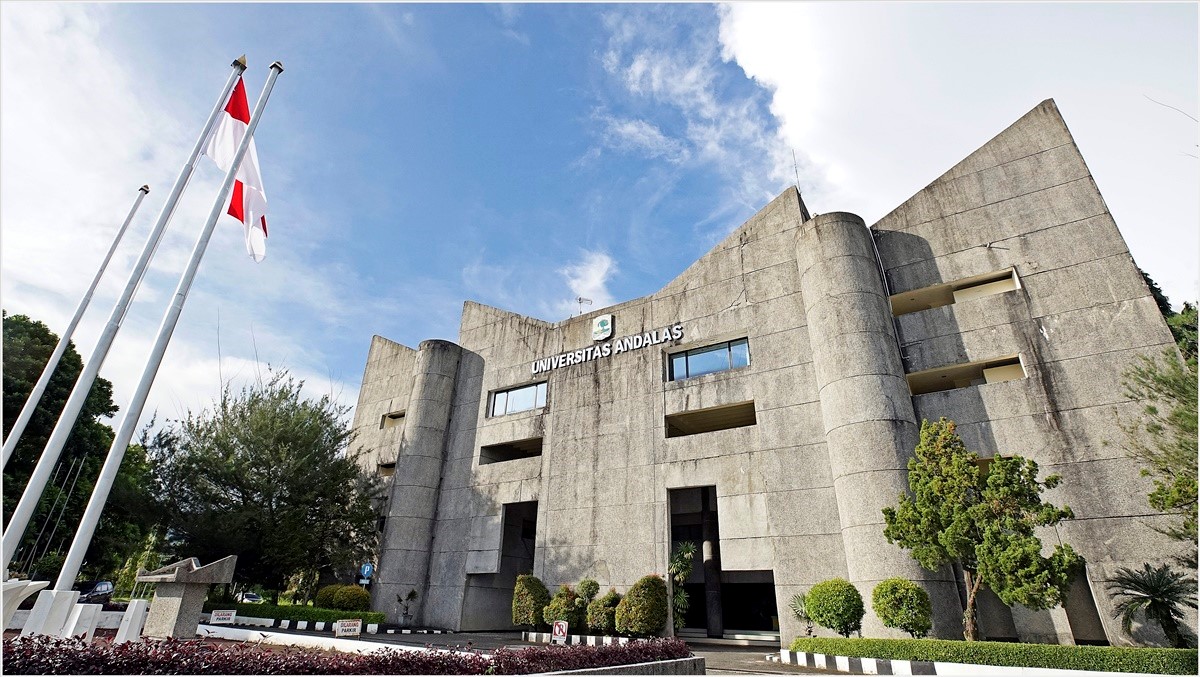
Universitas Andalas students
participating in the 2025 Community Service Program (KKN), in collaboration
with the Environmental Agency of Agam Regency, conducted a waste management
outreach program in Nagari Batu Hampar to encourage more sustainable community
practices. The initiative is closely related to SDG 11 on Sustainable Cities
and Communities and SDG 12 on Responsible Consumption and Production, as it
promotes community-based waste management and the transformation of waste into
useful economic and environmental opportunities.
The activity featured Randi
Permana Putra, M.T., as the main speaker, who invited participants to rethink
waste through a simple but thought-provoking question: whether waste should be
seen as a problem or as a potential resource. Through this discussion, the
community was encouraged to understand that both organic and inorganic waste
can hold value when managed properly. Organic waste such as food scraps, for
example, can be turned into compost or liquid organic fertilizer, while plastic
and paper can be sold or processed into useful products.
During the session, participants
were also introduced to the concept of a waste bank, where sorted waste can be
“saved” in a way similar to saving money, with each type of waste assigned a
corresponding value. The Environmental Agency was described as playing a role
in providing guidance, supporting marketing, and building cooperation with
recycling industries. In addition to theory, the outreach also introduced
several practical technologies, including composters, eco enzymes, Black
Soldier Fly maggot cultivation, and the conversion of plastic waste into fuel.
As a continuation of the
discussion, Universitas Andalas KKN students introduced the Smokeless Burn
Barrel as a more environmentally friendly waste-burning solution. The device
was presented as a simple and affordable innovation designed to minimize smoke
by ensuring sufficient oxygen supply, allowing combustion to take place more
completely. This approach is expected to offer an alternative to the common
practice of open waste burning, which often causes air pollution and health
risks.
Through a field demonstration,
residents were directly shown how to build and use the Smokeless Burn Barrel
while also learning about its potential benefits for health and air quality.
The innovation was presented as a concrete follow-up to the broader concept of
integrated waste management that had been explained earlier in the
socialization session. With support from the nagari government, the
Environmental Agency, and active community participation, the method is
expected to be applied more widely to help reduce air pollution and create a
healthier living environment.
Overall, the activity showed
that meaningful environmental change can begin with small, practical steps
taken collectively. Through this program, Universitas Andalas students helped
strengthen public awareness that waste does not have to remain a burden, but
can instead become an opportunity when managed with the right knowledge,
technology, and community commitment.