
Universitas Andalas Introduces TOSS Waste Processing Method to Hasanuddin University in Support of SDG 11 and SDG 12
Padang, 31 October 2023
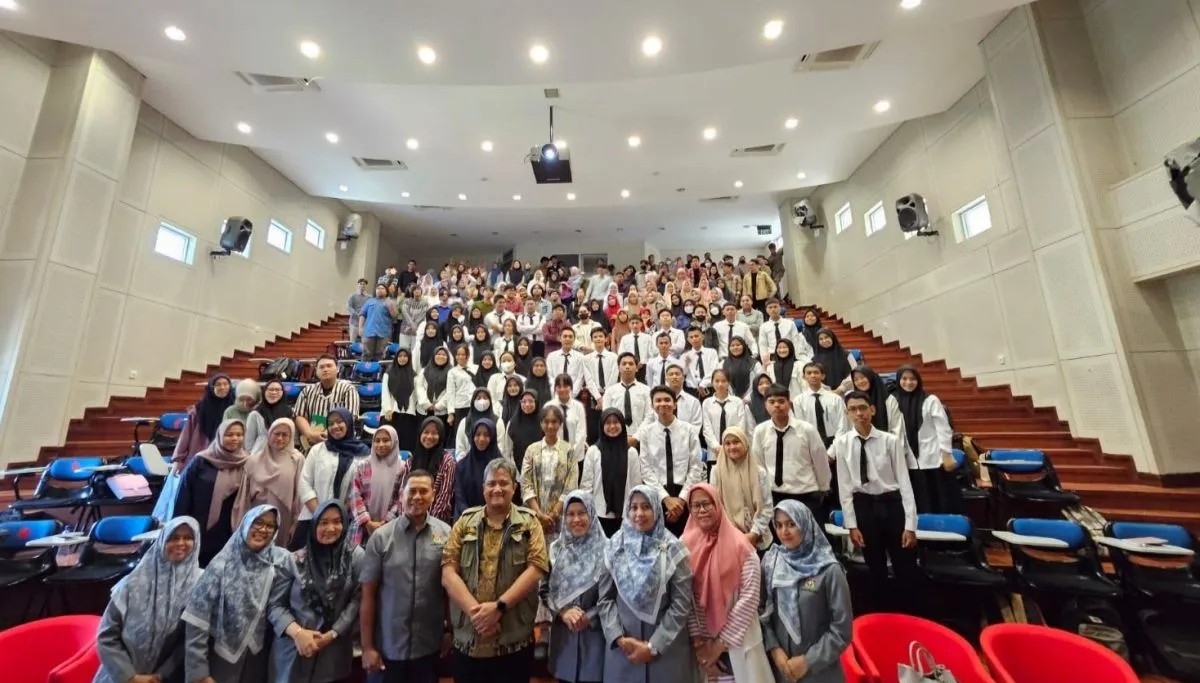
Universitas Andalas introduced
its waste management approach based on the Teknologi Olah Sampah di Sumbernya
(TOSS) method to the academic community of Hasanuddin University in Makassar as
part of efforts to promote more sustainable campus waste management. The
initiative is closely related to SDG 11 on Sustainable Cities and Communities
and SDG 12 on Responsible Consumption and Production, as it highlights
practical strategies for reducing waste at the source and turning it into
useful resources.
According to the report
published on October 31, 2023, the knowledge-sharing activity was led by Fadjar
Goembira, Coordinator for Energy and Climate Change of the Green Campus Team at
Universitas Andalas. He explained that Universitas Andalas shared its
experience with Hasanuddin University regarding waste treatment using the TOSS
method, which has already been applied on the Universitas Andalas campus.
Fadjar noted that the initiative
was driven by the continuing reality that waste management in many places,
including universities, still ends at final disposal sites. He also pointed out
that many landfills in Indonesia are no longer able to accommodate the growing
volume of waste generated from households, government institutions, campuses,
and other sources. In this context, he stressed that both organic and
non-organic waste still hold potential to be processed into renewable energy
sources or other useful products that can support daily activities.
He further emphasized that
universities are strategic places to start such transformation because campuses
function as spaces for learning and public education. For that reason,
Universitas Andalas considered it important to introduce TOSS to Hasanuddin
University so that waste management could begin from the campus environment and
become an educational model for broader society. At present, the TOSS
implementation at Universitas Andalas is still focused on organic waste,
although the university does not rule out future development toward non-organic
waste management as well.
The introduction of the method
was also described as being in line with Hasanuddin University’s target of
achieving zero waste in 2024. As a follow-up, the two institutions are expected
to formalize cooperation on waste management using the TOSS method. Under the
proposed scheme, organic waste generated at Hasanuddin University would be
distributed to a cement factory in South Sulawesi as an alternative fuel
source. This mirrors the practice already applied by Universitas Andalas, which
processes organic waste through TOSS and then distributes it to PT Semen Padang
as a substitute for coal.
Overall, the initiative reflects
how collaboration among universities can strengthen practical environmental
solutions through the exchange of tested approaches and local experience. By
introducing TOSS to another major campus, Universitas Andalas reaffirmed its
role in encouraging more sustainable waste management systems that not only
reduce landfill dependence, but also create added value from waste through
renewable resource use.