
Universitas Andalas and Universitas Pertahanan Strengthen Cooperation in Tropical Wheat Development for Food Self-Sufficiency in Support of SDG 2 and SDG 17
Padang, 02 August 2024
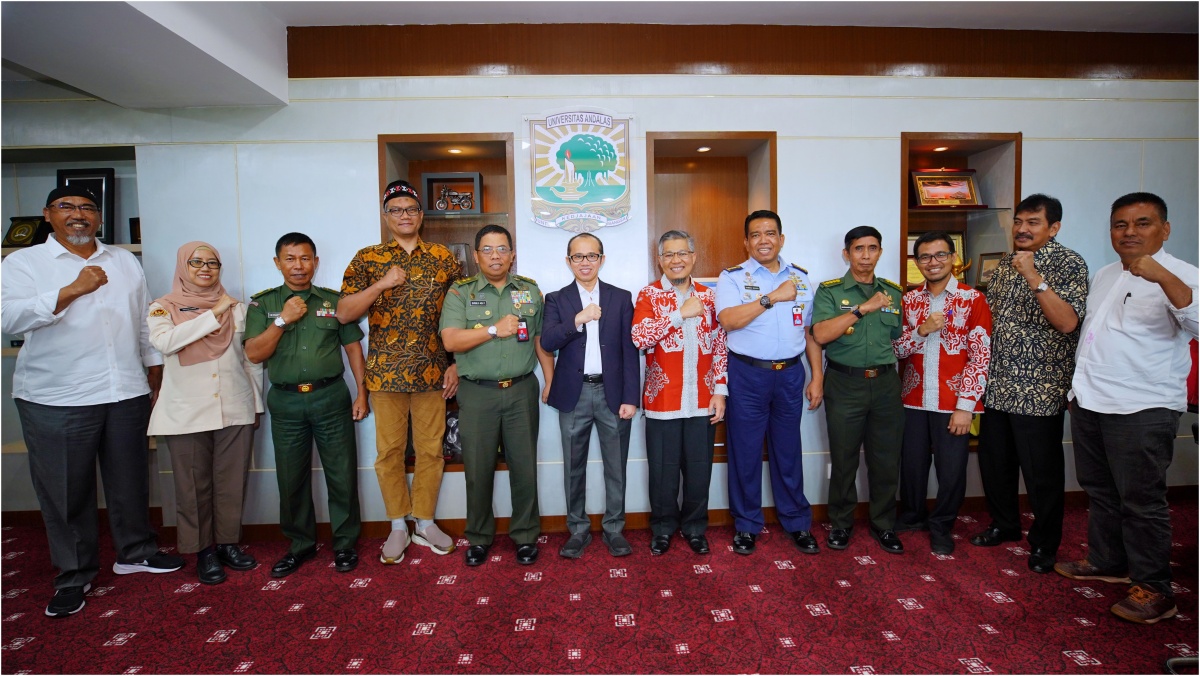
Universitas Andalas and
Universitas Pertahanan have established a partnership for the development of
tropical wheat through the signing of a memorandum of understanding held at the
Rector’s Office of Universitas Andalas, Limau Manis Campus, on Thursday, August
1, 2024. This step is closely related to SDG 2 on Zero Hunger and SDG 17 on
Partnerships for the Goals, as the collaboration is intended to strengthen
Indonesia’s food self-sufficiency through synergy between higher education
institutions.
In a report published on August
2, 2024, the Rector of Universitas Andalas welcomed the partnership and stated
that the university’s ongoing research on wheat development holds significant
potential for further advancement in tropical regions, particularly in
mediumland and highland areas. He also emphasized that this initiative is in
line with Universitas Andalas’ commitment to contributing to national progress.
This cooperation builds upon the
research experience that Universitas Andalas has developed in wheat cultivation
in Indonesia. According to Universitas Andalas sources, the university has been
developing wheat crops in Jorong Galagah, Nagari Alahan Panjang, Lembah Gumanti
District, Solok Regency, since 2011. In addition, one of its lecturers,
Nurwanita Ekasari Putri, has conducted intensive research on wheat varieties
suited to Indonesia’s soil and climate conditions, and has successfully
developed several varieties that are adaptive to the Indonesian environment.
From the side of Universitas
Pertahanan, Vice Rector IV Major General TNI Susilo Adi Purwantoro stated that
this cooperation is a direct mandate from the Minister of Defense to establish
partnerships with universities that have expertise in agriculture, particularly
in the development of food crops. Through this collaboration, the two
universities are expected to produce new innovations, especially in the
development of superior wheat varieties, while also strengthening national food
security by reducing dependence on imports.
In addition to wheat
development, the two universities have also opened opportunities for
cooperation in education, research, and community service. As such, this
partnership not only marks a serious commitment to the development of tropical
wheat as a strategic commodity, but also shows that inter-university
collaboration can serve as an important foundation for building a more
independent and sustainable national food system.