
UNAND KKN Kebencanaan Supports SDG 3 and SDG 11 through Psychosocial Recovery for Children in Lambung Bukit
Padang, 18 January 2026
Padang, January 18, 2026 — Universitas Andalas (UNAND) students participating in the
Disaster-Themed Community Service Program, known as KKN Kebencanaan, carried
out psychosocial support and mental health recovery activities for children
affected by hydrometeorological disasters in Lambung Bukit Subdistrict, Pauh
District, on Saturday, January 18.
The activity was conducted by UNAND
KKN Kebencanaan Group Kapalo Koto 7, chaired by Noufal Azhariyanto, a student
from the Faculty of Law. The group consisted of 23 students under the supervision
of field supervisor Prof. Ferdinal. Their presence in the community reflected
UNAND’s commitment to supporting post-disaster response and recovery efforts.
Lambung Bukit was recorded as one of
the areas affected by hydrometeorological disasters, including floods and
landslides caused by high rainfall intensity. In addition to damaging
infrastructure and residential environments, the disaster also affected the
psychological condition of the community, particularly children as a vulnerable
group.
Noufal Azhariyanto said the
psychosocial support activity was designed to help children recover emotionally
after experiencing the disaster. The program aimed to create a safe and
enjoyable atmosphere where children could smile again, interact with others,
and gradually rebuild their confidence after facing a difficult disaster
situation.
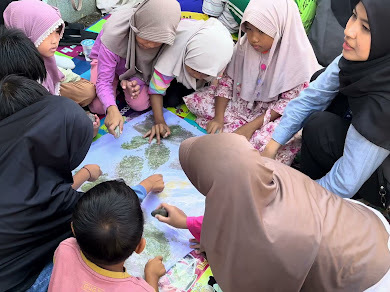
To make the recovery process more
natural and less stressful, the students used educational and recreational
approaches. Activities such as coloring, eco-printing, and group games were
introduced to give children space to express their feelings freely while
restoring their enthusiasm and joy.
Prof. Ferdinal stated that the
activity served not only as an important social learning experience for
students, but also as a concrete contribution from the university to the
community. He emphasized that KKN Kebencanaan is not merely about being present
at disaster locations, but also about understanding community needs and
providing appropriate interventions, including psychosocial support that is
often overlooked in post-disaster recovery.
The activity involved around 100
children from Lambung Bukit. All activities were arranged by considering the
children’s age, psychological needs, and post-disaster social conditions.
Through this approach, the psychosocial support program is expected to become
part of a sustainable recovery process while strengthening community resilience
in facing potential disasters in the future.
This initiative supports SDG 3
Good Health and Well-being by addressing children’s mental health and
emotional recovery after disaster. Through safe, educational, and recreational
activities, UNAND students helped create a supportive environment for children
to regain confidence, express emotions, and rebuild their sense of well-being.
The program also aligns with SDG
11 Sustainable Cities and Communities because it contributes to
post-disaster community recovery and resilience. By supporting vulnerable
groups in an area affected by floods and landslides, the activity strengthened
the social dimension of disaster response and helped communities recover in a
more inclusive and sustainable way.
Through this KKN Kebencanaan
activity, UNAND reaffirmed its role as a university that is present and
responsive to community needs. The program showed how student community service
can contribute not only to physical recovery after disaster, but also to
psychosocial healing, child protection, and long-term community resilience.