
RS UNAND Supports SDG 3 and SDG 9 through the Development of Advanced Intensive Care Services
Padang, 22 July 2024
Padang, July
2024 — Universitas Andalas Hospital,
known as RS UNAND, continues to improve the quality of its healthcare services
through the development of intensive care facilities. As the only Type B
hospital in Padang, RS UNAND is strengthening its role as a referral hospital
with advanced services, particularly in integrated oncology and intensive care.
The development of intensive care
services is one of RS UNAND’s strategic efforts to respond to the increasing
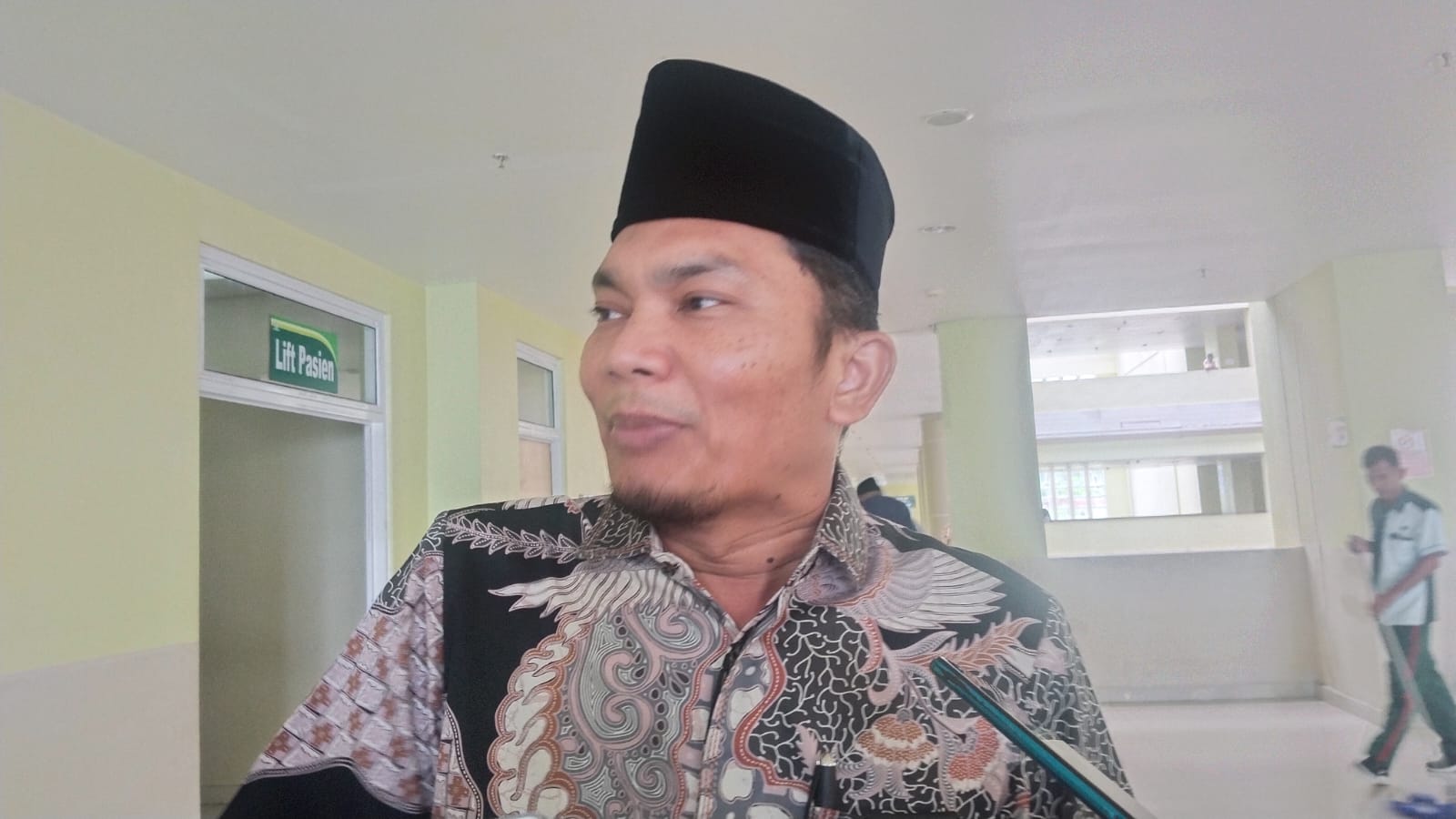
need for critical patient care. RS UNAND President Director, Yevri Zulfiqar,
stated that the hospital is expanding its intensive service capacity, including
the development of the fourth floor, which is planned to accommodate ICU and
NICU services with around 16 beds.
Through this development, RS UNAND
is working to provide more comprehensive care for patients who require close
monitoring and intensive medical treatment. The hospital’s intensive care
services include Neonatal Intensive Care Unit, Pediatric Intensive Care Unit,
Intensive Care Unit, and Cardiovascular Care Unit. These services allow RS
UNAND to care for critical patients across different age groups, from newborn
babies to adults.
The Neonatal Intensive Care Unit is
designed to handle critical cases involving newborns up to three months old.
The Pediatric Intensive Care Unit serves children from three months to 18 years
old who require intensive treatment. Meanwhile, the Intensive Care Unit
provides care for adult patients in critical condition, including those
experiencing worsening health conditions or recovering from major procedures.
RS UNAND also provides
Cardiovascular Care Unit services for patients with heart and blood vessel
conditions, including coronary heart disease, heart attacks, heart rhythm
disorders, and heart failure. These services are supported by specialist
consultants and certified medical teams, as well as advanced medical equipment
such as ventilators and CPAP devices to support patient care.
In addition to intensive care, RS
UNAND also continues to strengthen its integrated oncology services. The
hospital is supported by complete specialist doctors, most of whom are
consultants, and has received referrals from various hospitals, particularly
from the Central Sumatra region. With a capacity of 202 beds, RS UNAND is
positioned as an important healthcare institution in West Sumatra and
surrounding areas.
The development of intensive care
services supports SDG 3 Good Health and Well-being by expanding access
to critical healthcare services for newborns, children, adults, and patients
with cardiovascular conditions. By improving ICU, NICU, PICU, and CVCU
services, RS UNAND contributes to better emergency and intensive medical care
for communities in Padang and the wider Central Sumatra region.
The initiative also aligns with SDG
9 Industry, Innovation and Infrastructure because it strengthens hospital
infrastructure through the expansion of intensive care capacity, advanced
medical equipment, and specialist-based services. As a teaching hospital
managed by Universitas Andalas, RS UNAND’s service development also supports
the integration of healthcare, education, training, and research.
Through the continued development of
its intensive care services, RS UNAND reaffirms its commitment to providing
high-quality healthcare for the community. The strengthening of intensive care
capacity reflects the hospital’s broader role in supporting public health,
improving medical service infrastructure, and contributing to the advancement
of healthcare services in West Sumatra.