
Promoting Sustainable Feed Solutions: Universitas Andalas Advances SDG 2 and SDG 12 through Silage Education
Padang, 20 February 2026
Lima Puluh Kota, West Sumatra — Universitas Andalas
continues to support community food security in line with SDG 2 (Zero Hunger)
and SDG 12 (Responsible Consumption and Production) through its Community
Service Program (KKN). Students introduced silage-making techniques to
residents of Nagari Simalanggang as an alternative solution for sustainable
livestock feed management.
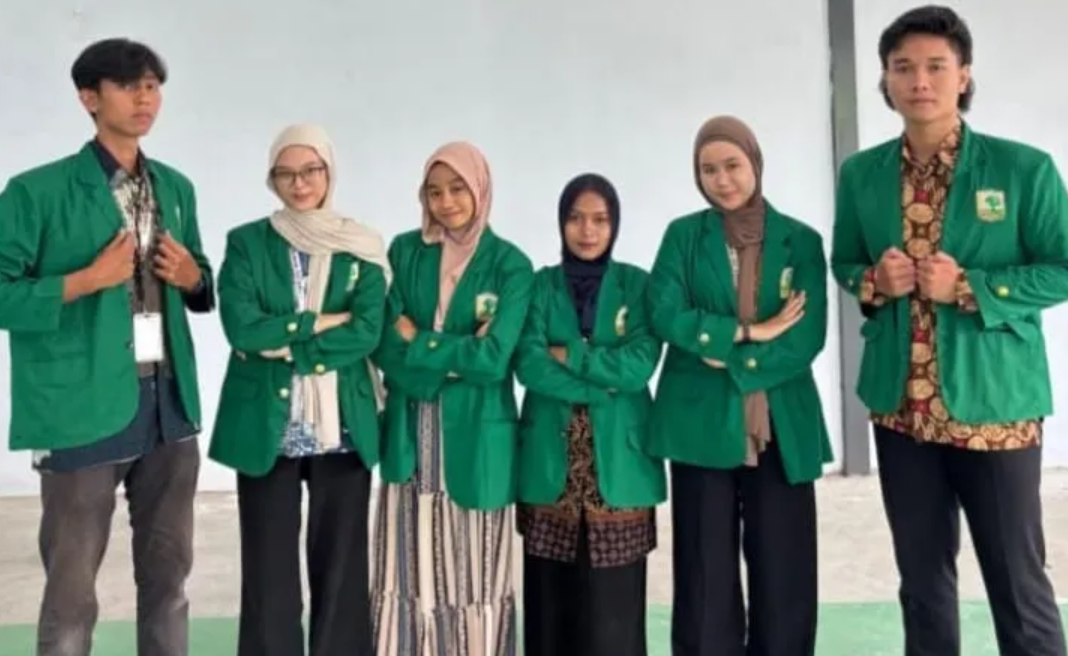
The program was carried out by Universitas Andalas
KKN students assigned to Nagari Simalanggang, focusing on educating the
community about silage as a method for preserving animal feed. The initiative
aims to help farmers utilize locally available forage and agricultural
by-products more efficiently while ensuring feed availability during periods of
scarcity.
During the activity, students provided explanations
on the concept and benefits of silage for livestock farming. Silage is a feed
preservation method that involves fermenting green forage under anaerobic
(airtight) conditions, allowing the nutritional quality of the feed to be
maintained over an extended period.
The training covered the complete process of silage
production, including the selection of suitable feed materials, chopping
techniques, the addition of supporting ingredients, and proper storage in
sealed containers to ensure optimal fermentation.
The program received positive responses from the
local community, as it introduced practical knowledge that can be directly
applied in daily farming activities. Through this educational initiative,
Universitas Andalas students aim to encourage more efficient use of local
resources while enhancing the sustainability of livestock farming in Nagari
Simalanggang.
Through the introduction of silage technology,
Universitas Andalas demonstrates its commitment to community empowerment
through knowledge transfer and appropriate technology. This initiative is
expected to help farmers maintain a stable supply of livestock feed while
strengthening local food production systems in a sustainable manner.