
PPK Ormawa BEM KM UNAND Strengthens Coastal Economy and Environmental Awareness in Pasia Nan Tigo in Support of SDG 8 and SDG 14
Padang, 01 October 2025
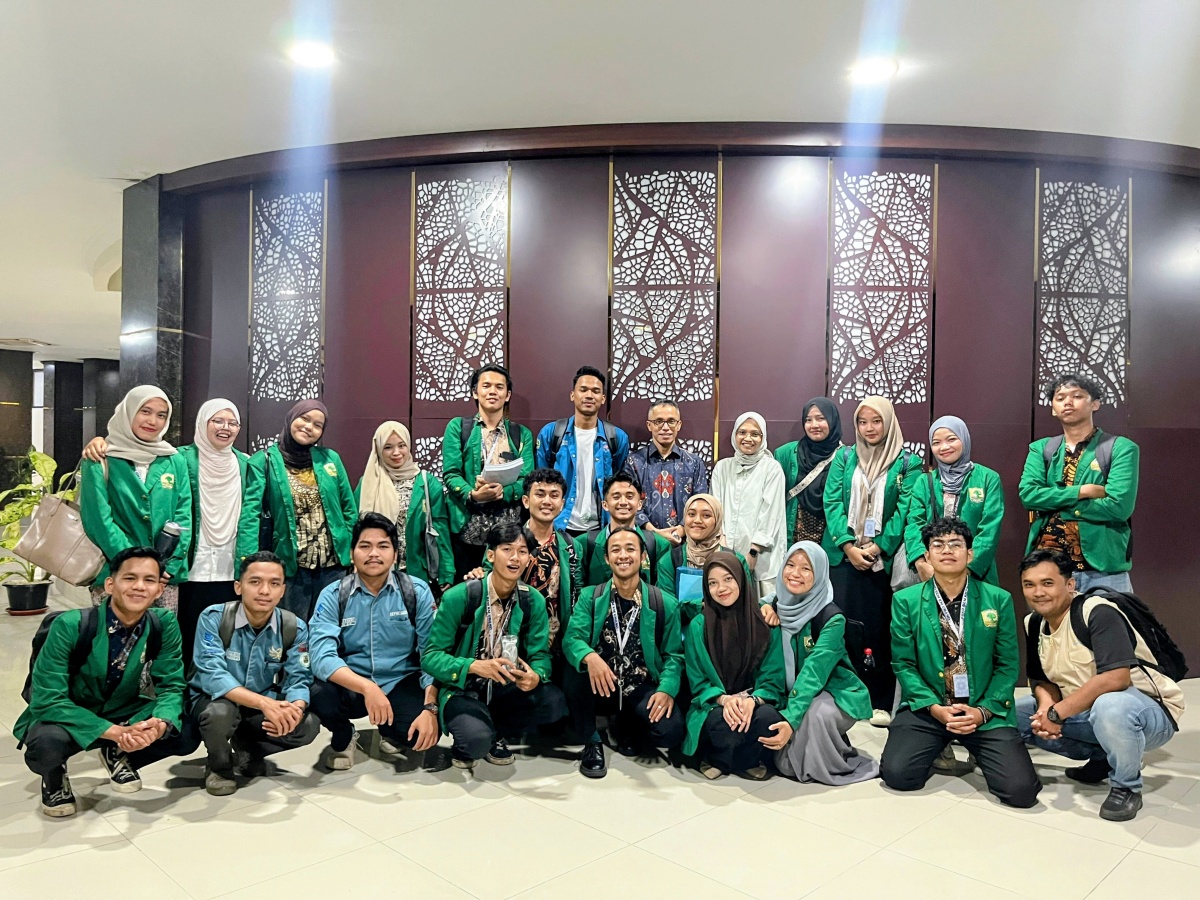
BEM KM Universitas Andalas has carried out a series
of community empowerment activities in the coastal area of Pasia Nan Tigo,
Padang City, through the Student Organization Capacity Strengthening Program
(PPK Ormawa). This initiative is aligned with SDG 8 on Decent Work and Economic
Growth and SDG 14 on Life Below Water, as the program not only strengthens the
economic capacity of fishermen’s families but also promotes concrete efforts to
preserve the coastal environment.
The program was implemented through two main
components, namely Taratak Bahari and Naturavita, both of which were developed
collaboratively with the local community. Under the Taratak Bahari program, BEM
KM UNAND worked to improve residents’ capacity in managing marine products and
utilizing marine waste. Fisherwomen received training in product
diversification, such as the production of shrimp paste and fish bone flour,
while fishermen’s children were equipped with digital marketing and packaging
design skills to support the promotion of family products.
Meanwhile, the Naturavita program focused on
coastal environmental preservation through a range of practical actions. In the
Pasir Jambak area, hundreds of Public Health students from Universitas Andalas
carried out a beach clean-up campaign and succeeded in collecting 499.87
kilograms of waste, dominated by plastic and domestic refuse. The activity was
followed by the planting of 450 mangrove seedlings, 100 sea pine seedlings, and
37 pinago trees as part of efforts to maintain the sustainability of the
coastal ecosystem.
To support the success of the activity,
participants first received education from mangrove expert Dr. Ir. Eni Kamal,
M.Sc., as well as technical guidance from Pati Hariyose of Jambak Sea Turtle
Camp on proper planting methods. In addition, the Naturavita program also
included maggot cultivation and the processing of fish waste into compost fertilizer.
These efforts demonstrate that coastal environmental management can be carried
out in an integrated manner, ranging from waste reduction to turning waste into
products of greater value.
Community participation in the program was also
highly active. Fishermen’s groups, housewives, youth, and kelurahan officials
were involved in every stage of the activities, with support from the Pasia Nan
Tigo Village Government. Support also came from the Community Guidance Unit
Head of Koto Tangah Police Sector, Iptu Zulkifli, who expressed appreciation
for the initiative. The village government also assessed the program as having
strong potential for sustainability because it had encouraged the formation of
productive groups ready to independently develop marine-based businesses.
Overall, the program shows that student activities
can become a meaningful form of community service with direct impact on
society. By strengthening fishermen’s family businesses while also taking
concrete action to maintain the cleanliness and sustainability of coastal
areas, PPK Ormawa BEM KM UNAND has presented an empowerment model that combines
community economic development with long-term environmental stewardship.